UnitedHealthcare Lactation Coverage Changes for Breastfeeding Families
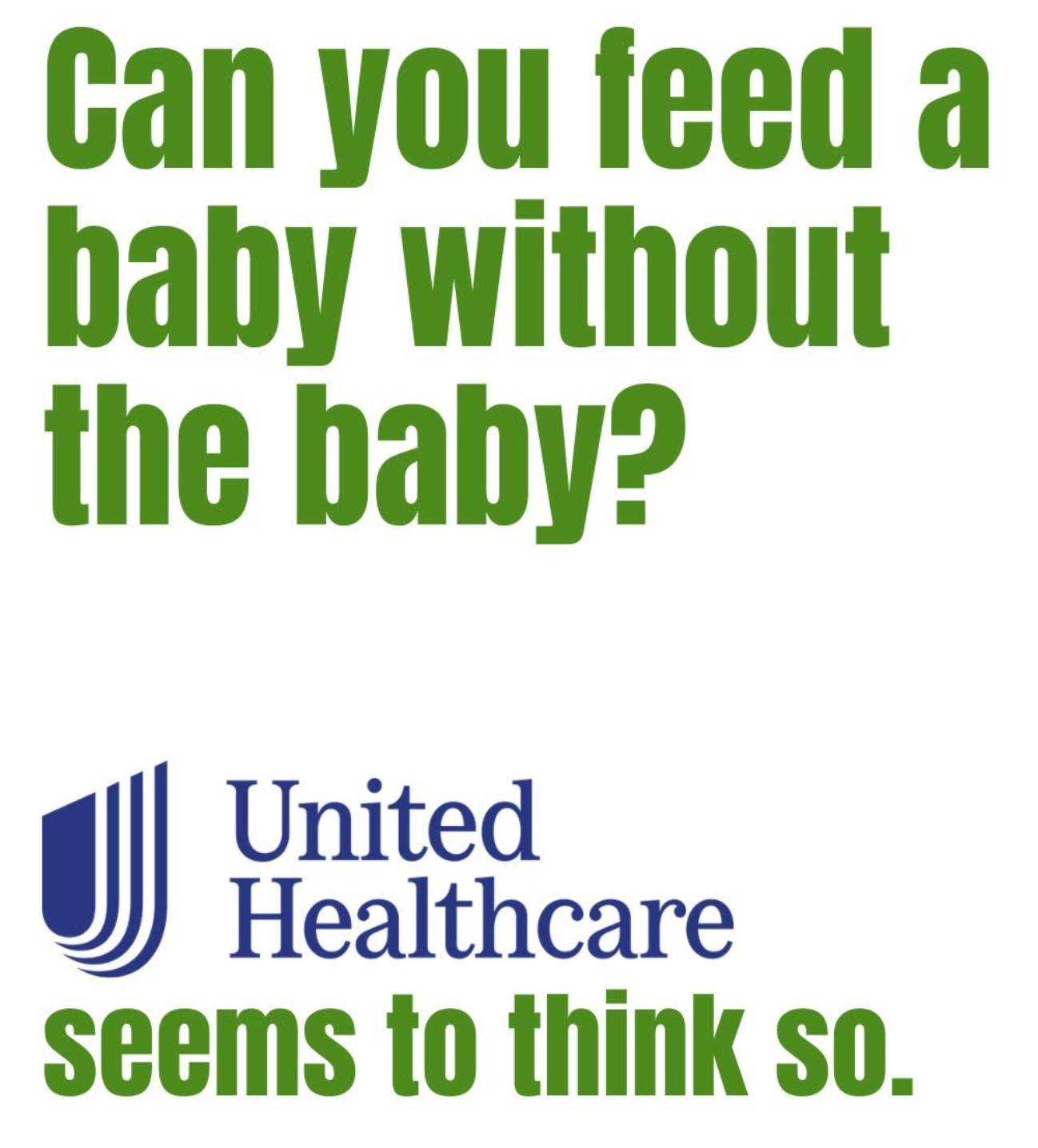
If you have UnitedHealthcare and a new baby (or one on the way), this proposed change directly impacts you. And if you don't have UnitedHealthcare but care about accessible lactation support for others, this affects you too. Access to skilled lactation care shouldn't depend on insurance policies.
On September 1, 2026, UnitedHealthcare changed how it pays for lactation support. This change would make that essential help harder to access, and in some cases, make it impossible. Even though this policy went into effect on September 1, we are still hoping that UHC will reconsider. If you want to help us, keep reading for a full explanation and ready-to-use letter templates to send to your employer and elected officials.
What's Actually Changing: Breaking Down the New Policy
Right now, lactation support is covered as preventive care. Under the Affordable Care Act (ACA), this care is supposed to be available to you without any extra cost. However, effective September 1, 2026, UnitedHealthcare says it will:
1, Stop paying when a lactation visit is billed for the baby. It will only pay when the visit is billed for the mother even when both mother and baby are assessed and cared for.
2. Pay for just one session per day.
Why This Matters: Care Is for Two, Not One
As you may have experienced firsthand, a lactation visit is care for two people at once: you and your baby. We weigh your baby, watch your baby feed, and check for factors affecting feeding: latch, oral function, weight gain, swallowing, body tension, and more. In fact, we often can't properly assess how breastfeeding is going without seeing your baby! Refusing to pay for the baby's part of the visit means you get half the care, and your lactation consultant gets half the pay. This means shorter and more frequent visits for you, shifting the burden on to exhausted families.
This policy will impact families the hardest when only the baby is covered by UnitedHealthcare—for example, if a parent is on an out-of-network plan. If this is your situation, UHC refusing to pay for your baby's visit would mean no covered lactation help is available to you at all if you don't have coverage via another insurer.
What You Can Do (Takes About 15 Minutes)
You can help stop this proposed change. We've created ready-to-send letter templates so you don't have to start from scratch. Each template has fill-in-the-blank sections and spots marked "in your own words."
💼 Tell Your Employer
If you get UnitedHealthcare through your job, your employer isn't just a bystander—they're often the decision-maker. Many work plans are "self-funded," meaning your employer pays the claims and hires UnitedHealthcare to administer the plan. In these cases, your employer can directly push back on UHC, and HR listens to employee concerns.
Where to send: Your HR or benefits team (and your manager, if that’s how things help at your job). The letter asks HR to find out whether your plan is self-funded, so you don’t need to know that in advance.
⬇ Download the employer letter (Word) (see above)
Add your story. Fill in the “in your own words” parts. Two or three honest sentences about your experience will do more than the rest of the letter combined.
Share this page. The more parents who see this, the more letters get sent, and the harder UnitedHealthcare will be to ignore. Forward it to your parent friends, your moms’ groups, your prenatal class chat—anyone with UnitedHealthcare.
Companies walk back bad decisions when enough people speak up through enough channels. You have a voice here. Please use it.
With gratitude for every parent who takes 15 minutes to push back,
Diane Michel, MSPH, IBCLC
Nourish Lactation Consulting
This post is an advocacy tool, not legal advice. The policy details come from UnitedHealthcare’s publicly posted June 2026 Commercial Reimbursement Policy Update Bulletin.